
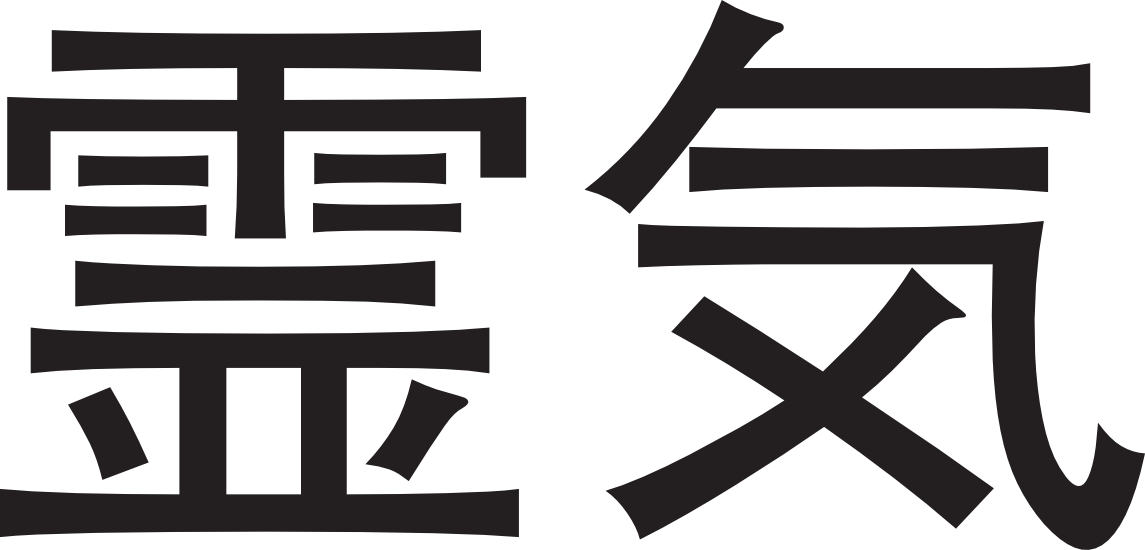
Reiki, pronounced “ray-key,” emerged from Japan as both an ancient wisdom tradition and contemporary healing art focused on universal life energy. The name itself reveals its essence: 霊 “Rei” represents the universal, spiritual dimension of life, while 気 “Ki” embodies the dynamic energy that sustains all existence. Practitioners understand themselves as vessels through which this cosmic life force can be transmitted, creating conditions for deep relaxation and the restoration of natural harmony within recipients.
History
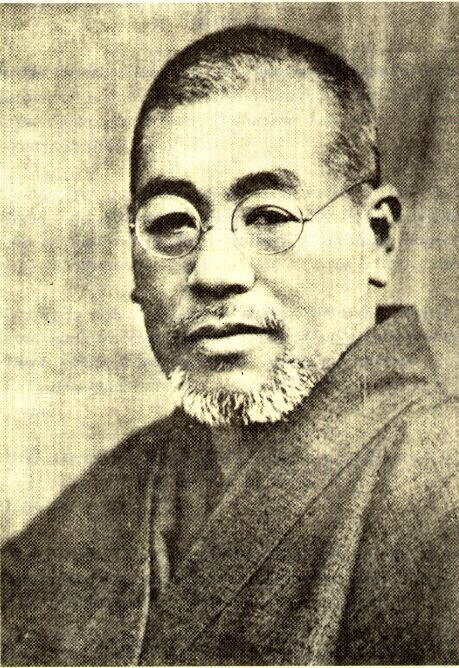
The contemporary Reiki tradition emerged in early 20th-century Japan under the guidance of Mikao Usui, a scholar and spiritual practitioner who sought to understand the nature of healing energy. Through disciplined meditation and spiritual inquiry, Usui reported receiving profound insights into energy work that transformed his understanding of healing. This revelation prompted him to formalize his teachings into the Usui System of Natural Healing, dedicating his life to training students in these methods. Over the past century, Reiki has transcended cultural boundaries, establishing itself as a recognized complementary therapy practiced by millions of healers in diverse settings ranging from conventional hospitals and medical centers to specialized wellness facilities and independent healing practices worldwide.
Does Reiki Really Work?
Research has faced significant limitations, with relatively few well-designed randomized controlled trials available. Researchers encounter three main obstacles: first, it’s nearly impossible to create a convincing fake version of energy healing for comparison groups; second, studies of alternative therapies typically receive minimal funding; and third, traditional scientific methods don’t easily accommodate the comprehensive, individualized nature of holistic treatments. We invite you to read the existing studies yourself.
Meta-Analyses and Their Findings:
The effect of reiki on pain: A meta-analysis: Participants receiving Reiki reported significantly lower pain scores on the visual analog scale compared to the control group.
Therapeutic effects of Reiki on interventions for anxiety: a meta-analysis: A comprehensive review of studies involving 824 participants found that Reiki significantly reduced anxiety levels (SMD = −0.82, P = 0.001). The anxiety-reducing benefits were particularly strong among patients with chronic illnesses.
Effects of Reiki therapy on quality of life: a meta-analysis of randomized controlled trials: A systematic review analyzed data from 661 participants and found that Reiki therapy significantly improved quality of life (SMD = 0.28, P = 0.043). The greatest benefits occurred when patients received eight or more sessions, each lasting at least one hour.
Be sure to read our Frequently Asked Questions and About Us pages for more information about reiki and how it is practiced at Light and Shadow.